

Digitizing Township Wholesale: Offline-First Tech for Spaza Chains
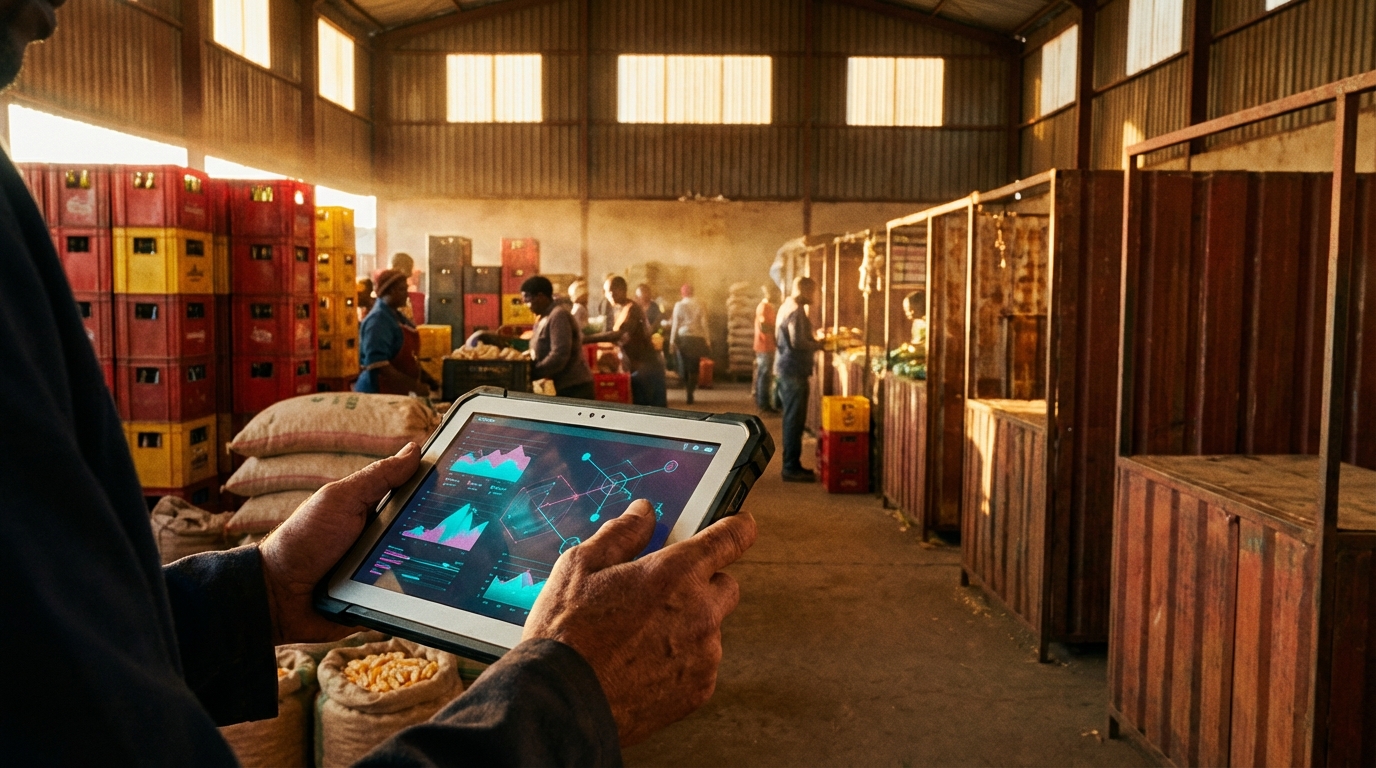
Discover how rugged, offline-first inventory software is unlocking the R900 billion South African township economy by overcoming infrastructure, power, and data barriers.
The South African township economy is often described as a sleeping giant, but recent data suggests it is very much awake and expanding at a pace that rivals the formal sector. According to the 2024 Township Informal Economy Report by Standard Bank, the informal sector is now valued at approximately R900 billion, with some estimates reaching R1 trillion. At the heart of this ecosystem are the 150,000 to 200,000 spaza shops that serve as the primary retail points for millions of households. However, the wholesale supply chains feeding these micro-retailers have historically been plagued by fragmentation, paper-based tracking, and a lack of real-time visibility. For entrepreneurs looking to scale in this environment, the challenge is not just about moving goods; it is about building software that can survive the unique constraints of the South African landscape.
While traditional Enterprise Resource Planning (ERP) and inventory management systems are built for the high-speed, always-connected environments of Sandton or Century City, they often fail the moment they enter a township wholesale hub. The primary barriers are well-known to any local business owner: persistent loadshedding, high data costs, and inconsistent 4G or 5G coverage. When a cloud-only inventory system loses its connection, the entire operation grinds to a halt. Orders cannot be processed, stock levels become inaccurate, and the trust between the wholesaler and the spaza owner—the lifeblood of the business—is eroded. This is why the shift toward rugged, offline-first software architecture is no longer a luxury; it is a fundamental requirement for scaling township supply chains.
Offline-first development is a design philosophy where the software is built to function primarily without an active internet connection. Instead of the UI calling an API and waiting for a response from a remote server, the application treats a local database on the device as the primary source of truth. Technologies like SQLite, WatermelonDB, or PouchDB allow the app to store thousands of SKUs, pricing tiers, and customer records locally. Transactions are recorded in real-time on the device and queued for synchronization. Once a stable connection is detected, a background sync engine—such as PowerSync or AWS Amplify DataStore—resolves any data conflicts and updates the central server. This ensures that a wholesaler in Alexandra or Khayelitsha can continue scanning barcodes and issuing invoices even during a stage 6 power outage.
Real-world evidence of this digital shift is already visible among South Africa’s corporate giants and agile startups. In mid-2024, the Shoprite Group launched an innovative e-commerce and bulk delivery platform for its Cash and Carry stores, specifically targeting spaza shops and small businesses. This move highlights a strategic pivot toward digitizing the B2B wholesale experience, offering free delivery within a 50km radius and automated ordering systems to reduce the carrying costs and stock-out risks that often cripple informal retailers. Similarly, Tiger Brands has doubled down on its township route-to-market strategy, aiming to reach 130,000 general trade stores by 2028. By leveraging digital tools to create what they call Perfect Outlets, Tiger Brands is using data to optimize distribution and visibility in a market that contributes at least 26 percent of the total R716 billion South African FMCG sector.
Beyond simple stock tracking, the true power of digitizing township wholesale lies in the creation of a digital trail. For many of the 80 percent of township businesses that remain unregistered, access to formal credit is nearly impossible. Startups like Vuka (formerly Vuleka) and Yebo Fresh are changing this by using inventory and ordering data to build alternative credit profiles. When a wholesaler uses software to track every bag of maize meal and crate of soft drinks, that data becomes a verifiable record of turnover. This allows fintech providers and FMCG manufacturers to offer working capital loans or trade credit to retailers who were previously considered unbanked. By digitizing the inventory, these platforms are effectively digitizing the trust that has existed in the township economy for decades.
However, building for this market requires more than just clever code; it requires an understanding of the physical environment. Rugged software must be paired with rugged hardware. In many wholesale environments, high-end smartphones are a liability due to battery life and durability. Successful implementations often utilize specialized handheld devices with integrated 1D/2D barcode scanners and extended batteries. Furthermore, the user experience (UX) must be localized. Platforms like Shopit and A2Pay have demonstrated that light-on-data applications with visual, icon-based interfaces are far more effective for rapid adoption among diverse workforces. The goal is to reduce the cognitive load on the user, allowing them to focus on moving inventory rather than navigating complex menus.
As the Department of Small Business Development continues to roll out initiatives like the DSBD Connect platform and the R500 million Spaza Shop Support Fund, the push for formalization and digitization will only accelerate. For wholesale business owners, the message is clear: the future of the township economy is digital, but it must be built on a foundation of resilience. Scaling a supply chain in this environment requires a partner who understands the intersection of high-end software engineering and the on-the-ground realities of South African commerce. At WriteNow Agency, we specialize in developing these types of rugged, custom solutions that empower businesses to automate their operations and thrive in challenging environments. By investing in offline-first technology today, wholesalers can ensure they are not just surviving the current infrastructure gaps, but are positioned to lead the next era of South African retail.
While traditional Enterprise Resource Planning (ERP) and inventory management systems are built for the high-speed, always-connected environments of Sandton or Century City, they often fail the moment they enter a township wholesale hub. The primary barriers are well-known to any local business owner: persistent loadshedding, high data costs, and inconsistent 4G or 5G coverage. When a cloud-only inventory system loses its connection, the entire operation grinds to a halt. Orders cannot be processed, stock levels become inaccurate, and the trust between the wholesaler and the spaza owner—the lifeblood of the business—is eroded. This is why the shift toward rugged, offline-first software architecture is no longer a luxury; it is a fundamental requirement for scaling township supply chains.
Offline-first development is a design philosophy where the software is built to function primarily without an active internet connection. Instead of the UI calling an API and waiting for a response from a remote server, the application treats a local database on the device as the primary source of truth. Technologies like SQLite, WatermelonDB, or PouchDB allow the app to store thousands of SKUs, pricing tiers, and customer records locally. Transactions are recorded in real-time on the device and queued for synchronization. Once a stable connection is detected, a background sync engine—such as PowerSync or AWS Amplify DataStore—resolves any data conflicts and updates the central server. This ensures that a wholesaler in Alexandra or Khayelitsha can continue scanning barcodes and issuing invoices even during a stage 6 power outage.
Real-world evidence of this digital shift is already visible among South Africa’s corporate giants and agile startups. In mid-2024, the Shoprite Group launched an innovative e-commerce and bulk delivery platform for its Cash and Carry stores, specifically targeting spaza shops and small businesses. This move highlights a strategic pivot toward digitizing the B2B wholesale experience, offering free delivery within a 50km radius and automated ordering systems to reduce the carrying costs and stock-out risks that often cripple informal retailers. Similarly, Tiger Brands has doubled down on its township route-to-market strategy, aiming to reach 130,000 general trade stores by 2028. By leveraging digital tools to create what they call Perfect Outlets, Tiger Brands is using data to optimize distribution and visibility in a market that contributes at least 26 percent of the total R716 billion South African FMCG sector.
Beyond simple stock tracking, the true power of digitizing township wholesale lies in the creation of a digital trail. For many of the 80 percent of township businesses that remain unregistered, access to formal credit is nearly impossible. Startups like Vuka (formerly Vuleka) and Yebo Fresh are changing this by using inventory and ordering data to build alternative credit profiles. When a wholesaler uses software to track every bag of maize meal and crate of soft drinks, that data becomes a verifiable record of turnover. This allows fintech providers and FMCG manufacturers to offer working capital loans or trade credit to retailers who were previously considered unbanked. By digitizing the inventory, these platforms are effectively digitizing the trust that has existed in the township economy for decades.
However, building for this market requires more than just clever code; it requires an understanding of the physical environment. Rugged software must be paired with rugged hardware. In many wholesale environments, high-end smartphones are a liability due to battery life and durability. Successful implementations often utilize specialized handheld devices with integrated 1D/2D barcode scanners and extended batteries. Furthermore, the user experience (UX) must be localized. Platforms like Shopit and A2Pay have demonstrated that light-on-data applications with visual, icon-based interfaces are far more effective for rapid adoption among diverse workforces. The goal is to reduce the cognitive load on the user, allowing them to focus on moving inventory rather than navigating complex menus.
As the Department of Small Business Development continues to roll out initiatives like the DSBD Connect platform and the R500 million Spaza Shop Support Fund, the push for formalization and digitization will only accelerate. For wholesale business owners, the message is clear: the future of the township economy is digital, but it must be built on a foundation of resilience. Scaling a supply chain in this environment requires a partner who understands the intersection of high-end software engineering and the on-the-ground realities of South African commerce. At WriteNow Agency, we specialize in developing these types of rugged, custom solutions that empower businesses to automate their operations and thrive in challenging environments. By investing in offline-first technology today, wholesalers can ensure they are not just surviving the current infrastructure gaps, but are positioned to lead the next era of South African retail.

Comments (0)
Leave a Comment