

AI Carbon Accounting for South Africa’s 2026 Carbon Tax Phase 2
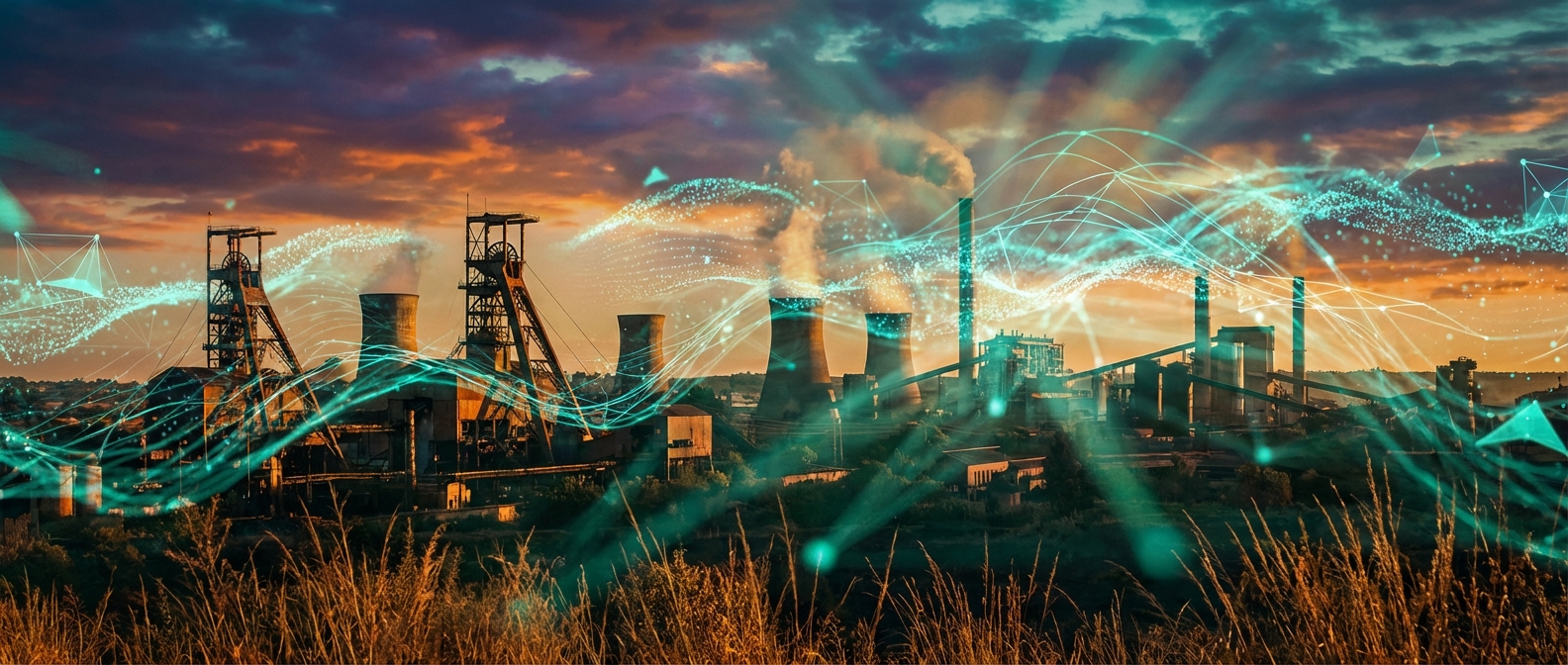
Explore how AI-powered platforms automate emission tracking to help South African industries navigate the 2026 Carbon Tax Phase 2 escalation and regulatory shifts.
South Africa is currently navigating one of the most significant regulatory shifts in its industrial history. As the continent's largest emitter of greenhouse gases, the country is under immense pressure to align with global climate goals, specifically the Paris Agreement. The primary mechanism for this transition is the Carbon Tax Act No. 15 of 2019. While the first phase of the carbon tax was designed to be relatively gentle, providing businesses time to adapt, the approaching 2026 deadline for Phase 2 represents a sharp escalation. For South African business owners and entrepreneurs, particularly those in the manufacturing, mining, and energy sectors, the time for manual data entry and retrospective reporting is over. The future of industrial survival lies in the development of AI-powered carbon accounting platforms.
To understand the urgency, one must look at the fiscal trajectory. In the 2022 Budget Review, the National Treasury announced that the carbon tax rate would increase significantly to ensure a meaningful price signal. From the current rate of R190 per tonne of CO2 equivalent, the tax is set to reach approximately US$20 by 2026 and eventually US$30 by 2030. More importantly, the generous tax-free allowances that characterized Phase 1—often reducing the effective tax rate to a fraction of the nominal rate—will be phased down. This means that every tonne of carbon emitted will have a direct and increasing impact on the bottom line. Furthermore, the European Union’s Carbon Border Adjustment Mechanism (CBAM) is already beginning to penalize carbon-intensive imports. South African companies that cannot accurately report and reduce their carbon footprint risk being priced out of international markets.
The complexity of modern carbon accounting cannot be overstated. It involves tracking three distinct categories: Scope 1 (direct emissions from owned or controlled sources), Scope 2 (indirect emissions from the generation of purchased energy), and Scope 3 (all other indirect emissions in a company’s value chain). For a South African manufacturer, this involves calculating emissions from on-site boilers, electricity purchased from Eskom, and the logistical footprint of suppliers. Relying on legacy systems like Excel spreadsheets is no longer viable. These manual processes are prone to human error, lack real-time visibility, and are difficult to audit. This is where custom-built, AI-powered platforms change the game.
Artificial Intelligence and Machine Learning offer the ability to automate the most arduous parts of emission tracking. By integrating with Internet of Things (IoT) sensors installed on factory floors or heavy machinery, a platform can ingest real-time data on fuel consumption and energy usage. Machine learning algorithms can then process this raw data, identifying patterns and anomalies that might indicate inefficiencies. For example, if a specific production line is consuming more energy than historical averages for the same output, the AI can alert management to a potential equipment fault before it results in a massive tax liability.
Another critical application of AI in this space is the automation of data ingestion through Natural Language Processing (NLP) and Optical Character Recognition (OCR). Many businesses still receive utility bills, fuel invoices, and supplier reports in PDF or paper format. An AI-powered platform can automatically scan these documents, extract the relevant data points, and map them to the correct emission factors. In South Africa, where emission factors for the national grid can fluctuate, having a system that automatically updates based on the latest figures from the Department of Forestry, Fisheries and the Environment (DFFE) is invaluable. This ensures that the data being fed into the South African Greenhouse Gas Reporting System (SAGERS) is both accurate and compliant with the latest technical guidelines.
Building a custom platform also allows for seamless integration with existing Enterprise Resource Planning (ERP) systems like SAP, Oracle, or Microsoft Dynamics 365. While global tools such as Persefoni, Watershed, or the SAP Sustainability Control Tower provide robust frameworks, a custom-developed solution can be tailored to the specific nuances of the South African regulatory environment. This includes specific local tax-free allowances, such as the trade exposure allowance and the performance allowance, which require precise calculations to maximize tax savings. A localized platform ensures that a business is not just compliant, but is also utilizing every legal avenue to minimize its tax burden.
The benefits of these platforms extend far beyond mere regulatory compliance. We are seeing a shift where carbon data is becoming a key metric for investment. Financial institutions in South Africa, such as Nedbank and Standard Bank, are increasingly incorporating Environmental, Social, and Governance (ESG) criteria into their lending decisions. A company that can demonstrate a clear, data-backed plan for decarbonization is more likely to secure favorable financing rates. By providing a single source of truth for carbon data, AI platforms empower executives to make strategic decisions about capital expenditure. Should the company invest in a solar microgrid? Should it replace its diesel fleet with electric vehicles? An AI-powered platform can simulate these scenarios, providing a clear Return on Investment (ROI) based on projected carbon tax savings.
As we move toward 2026, the transition will be challenging, but it also presents an opportunity for South African entrepreneurs to lead the way in industrial innovation. The goal is to move from a reactive stance—paying taxes on historical emissions—to a proactive stance—optimizing operations in real-time to minimize environmental impact. This requires a robust technological foundation that can handle the scale and complexity of industrial data.
At WriteNow Agency, we recognize that the path to decarbonization is paved with data. Developing robust, scalable software that bridges the gap between industrial output and regulatory reporting is what will define the next generation of South African business leaders. By automating the collection, analysis, and reporting of emission data, we help businesses turn a regulatory hurdle into a competitive advantage. The escalation of the carbon tax is inevitable, but with the right digital tools, businesses can navigate Phase 2 with confidence, ensuring both environmental responsibility and long-term financial sustainability. The bridge to a low-carbon future is built with code, and the time to start building is now.
To understand the urgency, one must look at the fiscal trajectory. In the 2022 Budget Review, the National Treasury announced that the carbon tax rate would increase significantly to ensure a meaningful price signal. From the current rate of R190 per tonne of CO2 equivalent, the tax is set to reach approximately US$20 by 2026 and eventually US$30 by 2030. More importantly, the generous tax-free allowances that characterized Phase 1—often reducing the effective tax rate to a fraction of the nominal rate—will be phased down. This means that every tonne of carbon emitted will have a direct and increasing impact on the bottom line. Furthermore, the European Union’s Carbon Border Adjustment Mechanism (CBAM) is already beginning to penalize carbon-intensive imports. South African companies that cannot accurately report and reduce their carbon footprint risk being priced out of international markets.
The complexity of modern carbon accounting cannot be overstated. It involves tracking three distinct categories: Scope 1 (direct emissions from owned or controlled sources), Scope 2 (indirect emissions from the generation of purchased energy), and Scope 3 (all other indirect emissions in a company’s value chain). For a South African manufacturer, this involves calculating emissions from on-site boilers, electricity purchased from Eskom, and the logistical footprint of suppliers. Relying on legacy systems like Excel spreadsheets is no longer viable. These manual processes are prone to human error, lack real-time visibility, and are difficult to audit. This is where custom-built, AI-powered platforms change the game.
Artificial Intelligence and Machine Learning offer the ability to automate the most arduous parts of emission tracking. By integrating with Internet of Things (IoT) sensors installed on factory floors or heavy machinery, a platform can ingest real-time data on fuel consumption and energy usage. Machine learning algorithms can then process this raw data, identifying patterns and anomalies that might indicate inefficiencies. For example, if a specific production line is consuming more energy than historical averages for the same output, the AI can alert management to a potential equipment fault before it results in a massive tax liability.
Another critical application of AI in this space is the automation of data ingestion through Natural Language Processing (NLP) and Optical Character Recognition (OCR). Many businesses still receive utility bills, fuel invoices, and supplier reports in PDF or paper format. An AI-powered platform can automatically scan these documents, extract the relevant data points, and map them to the correct emission factors. In South Africa, where emission factors for the national grid can fluctuate, having a system that automatically updates based on the latest figures from the Department of Forestry, Fisheries and the Environment (DFFE) is invaluable. This ensures that the data being fed into the South African Greenhouse Gas Reporting System (SAGERS) is both accurate and compliant with the latest technical guidelines.
Building a custom platform also allows for seamless integration with existing Enterprise Resource Planning (ERP) systems like SAP, Oracle, or Microsoft Dynamics 365. While global tools such as Persefoni, Watershed, or the SAP Sustainability Control Tower provide robust frameworks, a custom-developed solution can be tailored to the specific nuances of the South African regulatory environment. This includes specific local tax-free allowances, such as the trade exposure allowance and the performance allowance, which require precise calculations to maximize tax savings. A localized platform ensures that a business is not just compliant, but is also utilizing every legal avenue to minimize its tax burden.
The benefits of these platforms extend far beyond mere regulatory compliance. We are seeing a shift where carbon data is becoming a key metric for investment. Financial institutions in South Africa, such as Nedbank and Standard Bank, are increasingly incorporating Environmental, Social, and Governance (ESG) criteria into their lending decisions. A company that can demonstrate a clear, data-backed plan for decarbonization is more likely to secure favorable financing rates. By providing a single source of truth for carbon data, AI platforms empower executives to make strategic decisions about capital expenditure. Should the company invest in a solar microgrid? Should it replace its diesel fleet with electric vehicles? An AI-powered platform can simulate these scenarios, providing a clear Return on Investment (ROI) based on projected carbon tax savings.
As we move toward 2026, the transition will be challenging, but it also presents an opportunity for South African entrepreneurs to lead the way in industrial innovation. The goal is to move from a reactive stance—paying taxes on historical emissions—to a proactive stance—optimizing operations in real-time to minimize environmental impact. This requires a robust technological foundation that can handle the scale and complexity of industrial data.
At WriteNow Agency, we recognize that the path to decarbonization is paved with data. Developing robust, scalable software that bridges the gap between industrial output and regulatory reporting is what will define the next generation of South African business leaders. By automating the collection, analysis, and reporting of emission data, we help businesses turn a regulatory hurdle into a competitive advantage. The escalation of the carbon tax is inevitable, but with the right digital tools, businesses can navigate Phase 2 with confidence, ensuring both environmental responsibility and long-term financial sustainability. The bridge to a low-carbon future is built with code, and the time to start building is now.



Comments (0)
Leave a Comment