

Building Cloud-Native Logistics Control Towers for SA Importers
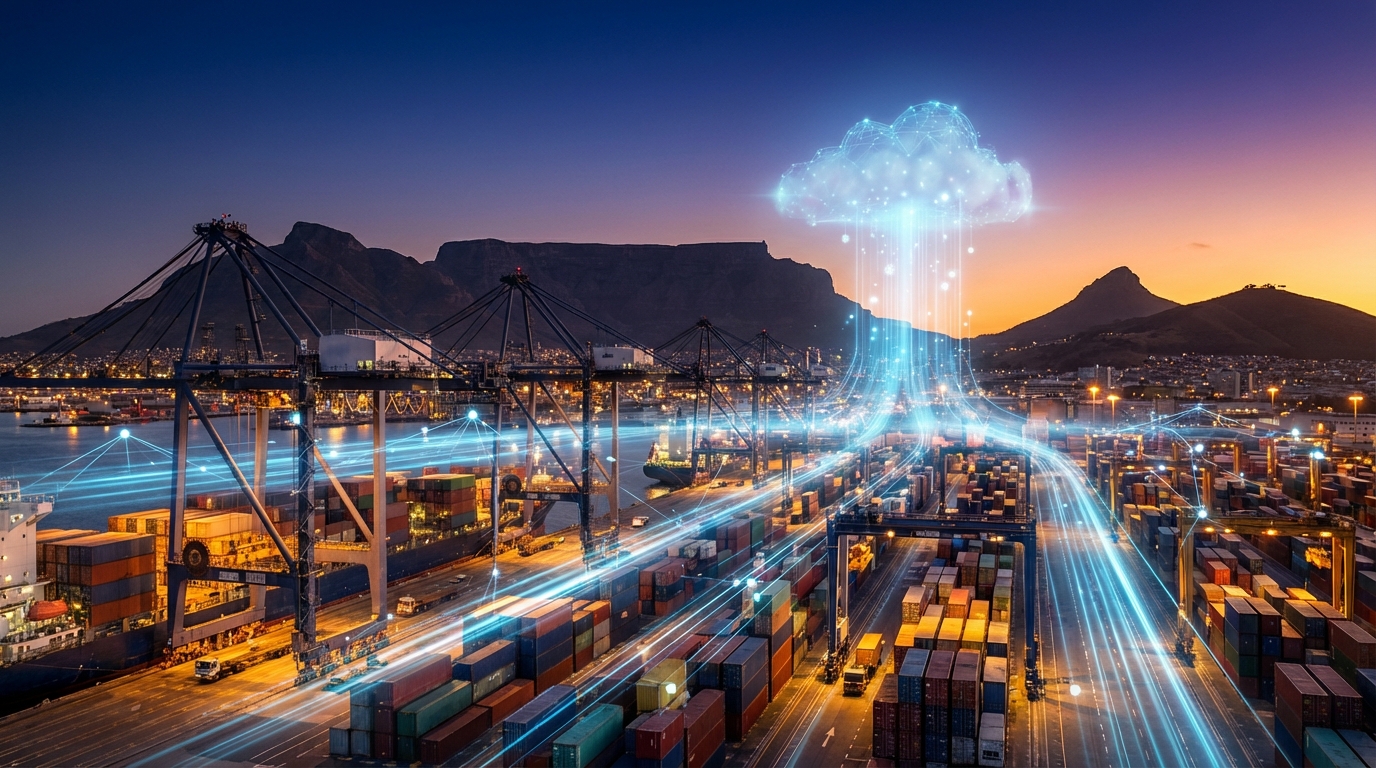
Discover how South African importers are leveraging cloud-native control towers and real-time data to overcome port volatility and secure supply chains in 2026.
The logistics landscape in South Africa has reached a critical turning point in 2026. After years of navigating the complexities of port congestion at Durban Pier 2 and equipment availability challenges in Cape Town, the nation’s importers have shifted from a reactive stance to a proactive, technology-first approach. The primary driver of this shift is the adoption of cloud-native logistics control towers. These are not merely dashboards but sophisticated, centralized hubs that integrate data from every node of the supply chain to provide a single version of the truth. By utilizing real-time data streams, South African business owners are finally finding a way to mitigate the unpredictability of local infrastructure while staying competitive in a global market.
To understand the rise of these control towers, one must look at the current state of South African ports. Following the 2024-2025 implementation of the Transnet Recovery Plan and the increased involvement of private partners like International Container Terminal Services Inc. (ICTSI) in Durban, the physical infrastructure has seen incremental improvements. However, volatility remains a systemic reality due to global shipping shifts and local operational hurdles. In this environment, information is as valuable as the cargo itself. Cloud-native control towers allow importers to ingest data from Transnet’s port management systems, global carrier signals from lines like Maersk and MSC, and local telematics from providers such as MiX Telematics or Geotab. This integration provides a granular view of cargo movement that was previously impossible.
The technical backbone of these systems relies heavily on the availability of local cloud infrastructure. With the AWS Africa (Cape Town) Region and Microsoft Azure’s South African data centers operating at full capacity in 2026, businesses can now process massive volumes of data with minimal latency. Cloud-native architecture means these systems are built specifically for the cloud environment, utilizing microservices and serverless functions to scale instantly when data spikes occur. For example, during a peak import season or a sudden port strike, the system can handle a 500 percent increase in data tracking requests without crashing. This scalability is essential for entrepreneurs who need reliable uptime when the stakes are highest.
Real-time data streaming is the lifeblood of the modern control tower. Utilizing technologies like Apache Kafka or Amazon Kinesis, importers can stream live updates from IoT sensors attached to containers. These sensors monitor not just location via GPS, but also internal temperature, humidity, and even light exposure to detect unauthorized tampering. For South African importers dealing with high-value electronics or perishable agricultural goods, this level of detail is a game-changer. If a refrigerated container sitting in the Ngqura port terminal experiences a power failure, the control tower triggers an automated alert to the logistics manager’s mobile device, allowing for immediate intervention before the stock is lost. This moves the business model from 'firefighting' to 'preventative management.'
Beyond immediate crisis management, these control towers are being used for sophisticated predictive analytics. By feeding historical port performance data and current weather patterns into machine learning models, businesses can now predict delays before they happen. If data shows that south-easterly winds in Cape Town are exceeding 60 kilometers per hour, the system can automatically calculate the likely delay in vessel berthing and adjust the inland trucking schedule accordingly. This level of synchronization reduces the costly 'dead mileage' and 'demurrage' fees that have historically eroded the margins of South African SMEs. By optimizing the 'last mile' of the supply chain, companies are seeing a significant reduction in operational overhead.
Securing the supply chain also involves a heavy focus on cybersecurity, which is inherently integrated into cloud-native designs. As South African businesses become more interconnected with global partners, they become targets for digital disruption. Modern control towers utilize Zero Trust Architecture and encrypted data tunnels to ensure that sensitive commercial data—such as supplier costs and shipping routes—is protected from interception. This build-in security provides peace of mind to entrepreneurs who are often wary of the risks associated with digital transformation. Furthermore, the move toward paperless trade, supported by the South African Revenue Service (SARS) and their automated customs management systems, integrates seamlessly into these towers, speeding up the clearing process at the border.
For the South African business owner, the implementation of such a system does not require a complete overhaul of existing operations. Many are starting with a 'minimum viable product' (MVP) approach, focusing first on high-visibility tracking before moving into automated procurement or AI-driven demand forecasting. The democratization of technology means that even mid-sized importers can now access tools that were once reserved for multinational giants. By leveraging APIs to connect disparate systems—from warehouse management software to local courier APIs—businesses are creating a cohesive ecosystem that rewards transparency and efficiency.
As we look toward the remainder of 2026, the competitive advantage in the South African market will belong to those who can master their data. The ability to see through the fog of port volatility and make informed, data-backed decisions is no longer a luxury; it is a prerequisite for survival. Whether it is navigating the seasonal surges of the retail sector or ensuring the steady flow of industrial raw materials, cloud-native control towers are providing the resilience needed to thrive. As a resource for businesses embarking on this journey, WriteNow Agency specializes in building the custom automation and data integration layers required to turn these complex data streams into actionable business intelligence. The future of South African logistics is digital, decentralized, and driven by the power of the cloud.
To understand the rise of these control towers, one must look at the current state of South African ports. Following the 2024-2025 implementation of the Transnet Recovery Plan and the increased involvement of private partners like International Container Terminal Services Inc. (ICTSI) in Durban, the physical infrastructure has seen incremental improvements. However, volatility remains a systemic reality due to global shipping shifts and local operational hurdles. In this environment, information is as valuable as the cargo itself. Cloud-native control towers allow importers to ingest data from Transnet’s port management systems, global carrier signals from lines like Maersk and MSC, and local telematics from providers such as MiX Telematics or Geotab. This integration provides a granular view of cargo movement that was previously impossible.
The technical backbone of these systems relies heavily on the availability of local cloud infrastructure. With the AWS Africa (Cape Town) Region and Microsoft Azure’s South African data centers operating at full capacity in 2026, businesses can now process massive volumes of data with minimal latency. Cloud-native architecture means these systems are built specifically for the cloud environment, utilizing microservices and serverless functions to scale instantly when data spikes occur. For example, during a peak import season or a sudden port strike, the system can handle a 500 percent increase in data tracking requests without crashing. This scalability is essential for entrepreneurs who need reliable uptime when the stakes are highest.
Real-time data streaming is the lifeblood of the modern control tower. Utilizing technologies like Apache Kafka or Amazon Kinesis, importers can stream live updates from IoT sensors attached to containers. These sensors monitor not just location via GPS, but also internal temperature, humidity, and even light exposure to detect unauthorized tampering. For South African importers dealing with high-value electronics or perishable agricultural goods, this level of detail is a game-changer. If a refrigerated container sitting in the Ngqura port terminal experiences a power failure, the control tower triggers an automated alert to the logistics manager’s mobile device, allowing for immediate intervention before the stock is lost. This moves the business model from 'firefighting' to 'preventative management.'
Beyond immediate crisis management, these control towers are being used for sophisticated predictive analytics. By feeding historical port performance data and current weather patterns into machine learning models, businesses can now predict delays before they happen. If data shows that south-easterly winds in Cape Town are exceeding 60 kilometers per hour, the system can automatically calculate the likely delay in vessel berthing and adjust the inland trucking schedule accordingly. This level of synchronization reduces the costly 'dead mileage' and 'demurrage' fees that have historically eroded the margins of South African SMEs. By optimizing the 'last mile' of the supply chain, companies are seeing a significant reduction in operational overhead.
Securing the supply chain also involves a heavy focus on cybersecurity, which is inherently integrated into cloud-native designs. As South African businesses become more interconnected with global partners, they become targets for digital disruption. Modern control towers utilize Zero Trust Architecture and encrypted data tunnels to ensure that sensitive commercial data—such as supplier costs and shipping routes—is protected from interception. This build-in security provides peace of mind to entrepreneurs who are often wary of the risks associated with digital transformation. Furthermore, the move toward paperless trade, supported by the South African Revenue Service (SARS) and their automated customs management systems, integrates seamlessly into these towers, speeding up the clearing process at the border.
For the South African business owner, the implementation of such a system does not require a complete overhaul of existing operations. Many are starting with a 'minimum viable product' (MVP) approach, focusing first on high-visibility tracking before moving into automated procurement or AI-driven demand forecasting. The democratization of technology means that even mid-sized importers can now access tools that were once reserved for multinational giants. By leveraging APIs to connect disparate systems—from warehouse management software to local courier APIs—businesses are creating a cohesive ecosystem that rewards transparency and efficiency.
As we look toward the remainder of 2026, the competitive advantage in the South African market will belong to those who can master their data. The ability to see through the fog of port volatility and make informed, data-backed decisions is no longer a luxury; it is a prerequisite for survival. Whether it is navigating the seasonal surges of the retail sector or ensuring the steady flow of industrial raw materials, cloud-native control towers are providing the resilience needed to thrive. As a resource for businesses embarking on this journey, WriteNow Agency specializes in building the custom automation and data integration layers required to turn these complex data streams into actionable business intelligence. The future of South African logistics is digital, decentralized, and driven by the power of the cloud.

Comments (0)
Leave a Comment