

Bypassing Gateway Fees: PayShap Request-to-Pay APIs for SA Businesses
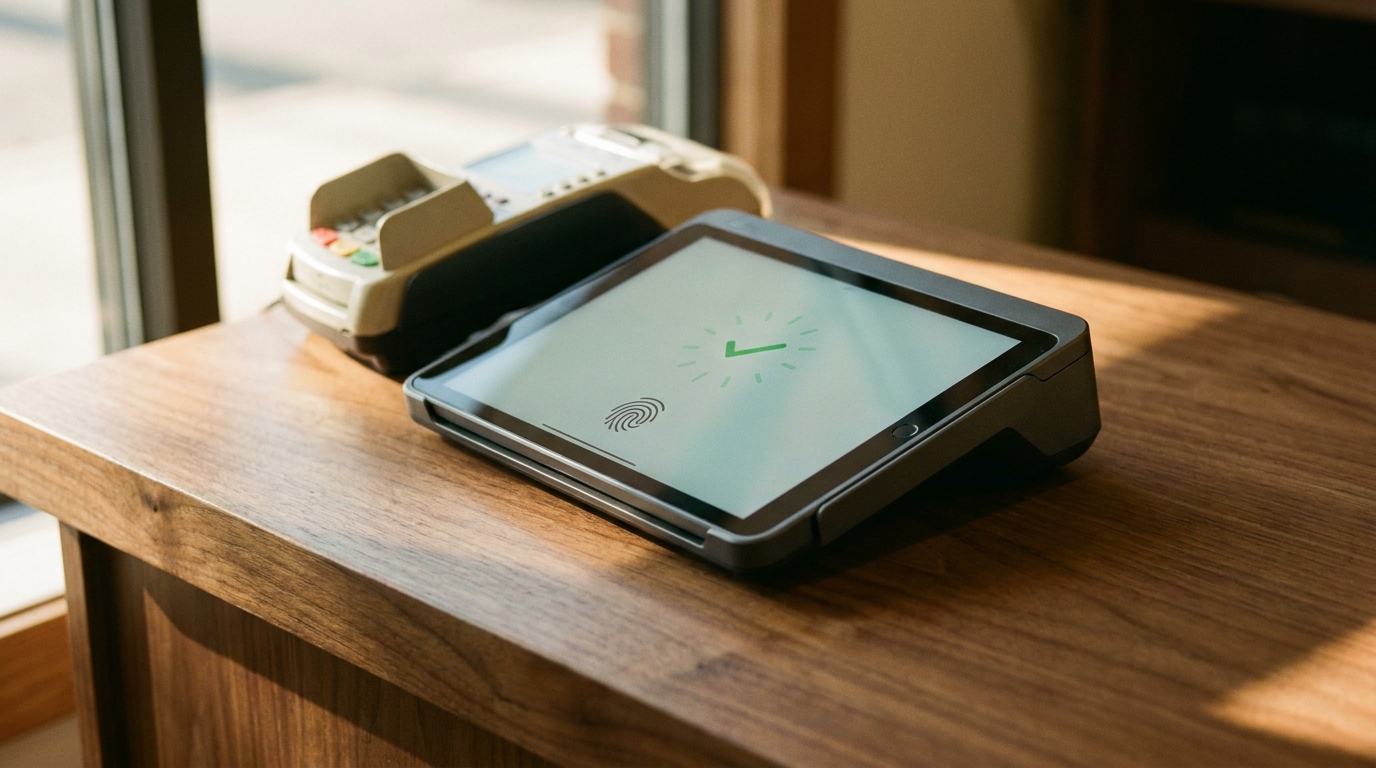
Discover how South African businesses are leveraging PayShap's Request-to-Pay (RTP) APIs in 2026 to bypass hefty gateway fees, ensure instant settlement, and provide a frictionless checkout experience for their customers.
The South African digital economy has expanded rapidly, but for years, merchants have grappled with a persistent challenge: the high cost of processing online payments. Traditional payment gateways and card networks provide essential infrastructure, but their transaction fees—often ranging from two to three percent plus fixed costs—eat significantly into profit margins. Furthermore, standard settlement times can delay cash flow by days. However, the landscape has fundamentally shifted in 2026. The widespread adoption and recent evolution of PayShap, operated by PayInc, has introduced a game-changing mechanism for merchants: Request-to-Pay (RTP) APIs.
Launched initially in 2023 as a peer-to-peer real-time payment system, PayShap was designed to modernize South Africa's national payment infrastructure in alignment with the South African Reserve Bank's Vision 2025. By late 2025 and into early 2026, PayShap successfully pivoted toward merchant payments and e-commerce. With over 905 million transactions processed and millions of registered ShapIDs in circulation across the country, the system has proven its scalability. The official rollout of the Request-to-Pay functionality represents the next frontier, allowing businesses to bypass traditional card networks and interact directly with a customer's bank account in real time.
Understanding PayShap Request-to-Pay is crucial for any business owner looking to optimize their digital checkout. Unlike traditional debit or credit card payments where the merchant pulls funds from the customer's account—a process prone to fraud, high interchange fees, and chargebacks—PayShap RTP operates on a credit-push mechanism. When a customer reaches the checkout page, the merchant's system uses an API to send a payment request directly to the customer's ShapID, which is typically linked to their mobile number. The customer receives a prompt on their secure banking app, authenticates the payment using their bank's built-in security like biometrics or a PIN, and approves the transaction. The funds are then pushed instantly and irrevocably to the merchant's account.
The financial implications of this shift are profound. By integrating PayShap RTP APIs, businesses can significantly reduce their reliance on traditional card gateways. Because the transaction utilizes the national real-time clearing infrastructure rather than international card networks, the associated fees are remarkably lower. For high-volume, lower-value transactions, this reduction in overhead can transform a company's bottom line, allowing merchants to reinvest those savings into growth or offer more competitive pricing to their consumers.
Beyond cost savings, instant settlement is a massive advantage. In traditional e-commerce setups, waiting for a payment gateway to batch and clear funds can cause cash flow bottlenecks, especially for small to medium enterprises that rely on daily liquidity to purchase inventory or pay suppliers. PayShap guarantees payment finality on receipt. Funds move between participating bank accounts within seconds, 24 hours a day, 365 days a year. There are no banking hours or batch processing windows to navigate. The moment the customer approves the request, the business has the capital.
Another critical benefit of RTP API integration is the elimination of chargeback risk. In the standard credit card model, merchants often bear the brunt of fraudulent disputes. Because PayShap payments are authenticated directly by the consumer within their own banking environment, the transaction is definitive. The funds received are funds secured, removing the administrative burden and financial loss associated with managing chargebacks.
Furthermore, integrating PayShap RTP addresses one of the most persistent issues in e-commerce: cart abandonment. Recent data from the World Wide Worx Online Retail in South Africa report indicated that over thirty-seven percent of customers abandon their carts due to a long or complicated checkout process. Traditional checkouts require customers to manually input sixteen-digit card numbers, expiry dates, and CVV codes. With PayShap, the customer simply enters their mobile number or ShapID. This frictionless experience caters to a growing demographic of consumers who demand speed and simplicity, directly translating to higher conversion rates for businesses.
For South African businesses ready to make the transition, integrating PayShap RTP APIs has never been more accessible. Major payment aggregators and fintech partners, such as Stitch, Ozow, and Electrum, have already built robust API layers that interface with the PayInc clearing house. These intermediaries offer comprehensive developer documentation, pre-built plugins for popular e-commerce platforms like WooCommerce and Shopify, and sandbox environments for testing.
The integration process generally involves a few strategic steps. First, businesses must assess their current technical infrastructure to determine if a direct API integration or a plugin-based approach is best. Next, they partner with a payment solutions provider that supports PayShap RTP, ensuring that regulatory compliance and bank connectivity are handled seamlessly. After registering for a business ShapID, development teams can connect the RTP endpoints to the checkout flow. It is vital to program the system so that payment requests are triggered automatically upon order confirmation and that the merchant's backend can listen for real-time webhooks confirming the payment status. Rigorous testing is essential to ensure that prompts are delivered instantly and that the user experience remains flawless.
As the South African digital economy continues to mature in 2026, adopting modern payment rails is no longer just an operational upgrade; it is a competitive necessity. Consumers are increasingly embracing the convenience of ShapIDs, and the Reserve Bank's push for interoperability ensures that the ecosystem will only grow stronger. Businesses that cling exclusively to traditional, high-fee gateways risk falling behind competitors who can offer faster checkouts and operate on healthier profit margins.
Transitioning to this new era of payments requires technical precision and a deep understanding of API architecture. This is where partnering with an experienced technology provider becomes invaluable. WriteNow Agency specializes in Custom Software, Web Development, and Business Automation, helping South African enterprises seamlessly integrate cutting-edge solutions like PayShap RTP into their existing platforms. By leveraging expert development resources, businesses can ensure a secure, scalable, and frictionless payment experience for their customers.
Ultimately, the rise of PayShap Request-to-Pay marks a definitive turning point for commerce in South Africa. By embracing API-driven, real-time payments, merchants can reclaim their margins, accelerate their cash flow, and deliver the seamless digital experiences that modern consumers expect.
Launched initially in 2023 as a peer-to-peer real-time payment system, PayShap was designed to modernize South Africa's national payment infrastructure in alignment with the South African Reserve Bank's Vision 2025. By late 2025 and into early 2026, PayShap successfully pivoted toward merchant payments and e-commerce. With over 905 million transactions processed and millions of registered ShapIDs in circulation across the country, the system has proven its scalability. The official rollout of the Request-to-Pay functionality represents the next frontier, allowing businesses to bypass traditional card networks and interact directly with a customer's bank account in real time.
Understanding PayShap Request-to-Pay is crucial for any business owner looking to optimize their digital checkout. Unlike traditional debit or credit card payments where the merchant pulls funds from the customer's account—a process prone to fraud, high interchange fees, and chargebacks—PayShap RTP operates on a credit-push mechanism. When a customer reaches the checkout page, the merchant's system uses an API to send a payment request directly to the customer's ShapID, which is typically linked to their mobile number. The customer receives a prompt on their secure banking app, authenticates the payment using their bank's built-in security like biometrics or a PIN, and approves the transaction. The funds are then pushed instantly and irrevocably to the merchant's account.
The financial implications of this shift are profound. By integrating PayShap RTP APIs, businesses can significantly reduce their reliance on traditional card gateways. Because the transaction utilizes the national real-time clearing infrastructure rather than international card networks, the associated fees are remarkably lower. For high-volume, lower-value transactions, this reduction in overhead can transform a company's bottom line, allowing merchants to reinvest those savings into growth or offer more competitive pricing to their consumers.
Beyond cost savings, instant settlement is a massive advantage. In traditional e-commerce setups, waiting for a payment gateway to batch and clear funds can cause cash flow bottlenecks, especially for small to medium enterprises that rely on daily liquidity to purchase inventory or pay suppliers. PayShap guarantees payment finality on receipt. Funds move between participating bank accounts within seconds, 24 hours a day, 365 days a year. There are no banking hours or batch processing windows to navigate. The moment the customer approves the request, the business has the capital.
Another critical benefit of RTP API integration is the elimination of chargeback risk. In the standard credit card model, merchants often bear the brunt of fraudulent disputes. Because PayShap payments are authenticated directly by the consumer within their own banking environment, the transaction is definitive. The funds received are funds secured, removing the administrative burden and financial loss associated with managing chargebacks.
Furthermore, integrating PayShap RTP addresses one of the most persistent issues in e-commerce: cart abandonment. Recent data from the World Wide Worx Online Retail in South Africa report indicated that over thirty-seven percent of customers abandon their carts due to a long or complicated checkout process. Traditional checkouts require customers to manually input sixteen-digit card numbers, expiry dates, and CVV codes. With PayShap, the customer simply enters their mobile number or ShapID. This frictionless experience caters to a growing demographic of consumers who demand speed and simplicity, directly translating to higher conversion rates for businesses.
For South African businesses ready to make the transition, integrating PayShap RTP APIs has never been more accessible. Major payment aggregators and fintech partners, such as Stitch, Ozow, and Electrum, have already built robust API layers that interface with the PayInc clearing house. These intermediaries offer comprehensive developer documentation, pre-built plugins for popular e-commerce platforms like WooCommerce and Shopify, and sandbox environments for testing.
The integration process generally involves a few strategic steps. First, businesses must assess their current technical infrastructure to determine if a direct API integration or a plugin-based approach is best. Next, they partner with a payment solutions provider that supports PayShap RTP, ensuring that regulatory compliance and bank connectivity are handled seamlessly. After registering for a business ShapID, development teams can connect the RTP endpoints to the checkout flow. It is vital to program the system so that payment requests are triggered automatically upon order confirmation and that the merchant's backend can listen for real-time webhooks confirming the payment status. Rigorous testing is essential to ensure that prompts are delivered instantly and that the user experience remains flawless.
As the South African digital economy continues to mature in 2026, adopting modern payment rails is no longer just an operational upgrade; it is a competitive necessity. Consumers are increasingly embracing the convenience of ShapIDs, and the Reserve Bank's push for interoperability ensures that the ecosystem will only grow stronger. Businesses that cling exclusively to traditional, high-fee gateways risk falling behind competitors who can offer faster checkouts and operate on healthier profit margins.
Transitioning to this new era of payments requires technical precision and a deep understanding of API architecture. This is where partnering with an experienced technology provider becomes invaluable. WriteNow Agency specializes in Custom Software, Web Development, and Business Automation, helping South African enterprises seamlessly integrate cutting-edge solutions like PayShap RTP into their existing platforms. By leveraging expert development resources, businesses can ensure a secure, scalable, and frictionless payment experience for their customers.
Ultimately, the rise of PayShap Request-to-Pay marks a definitive turning point for commerce in South Africa. By embracing API-driven, real-time payments, merchants can reclaim their margins, accelerate their cash flow, and deliver the seamless digital experiences that modern consumers expect.

Comments (0)
Leave a Comment