

Vision AI: Automating OHS Safety in SA Mining and Construction
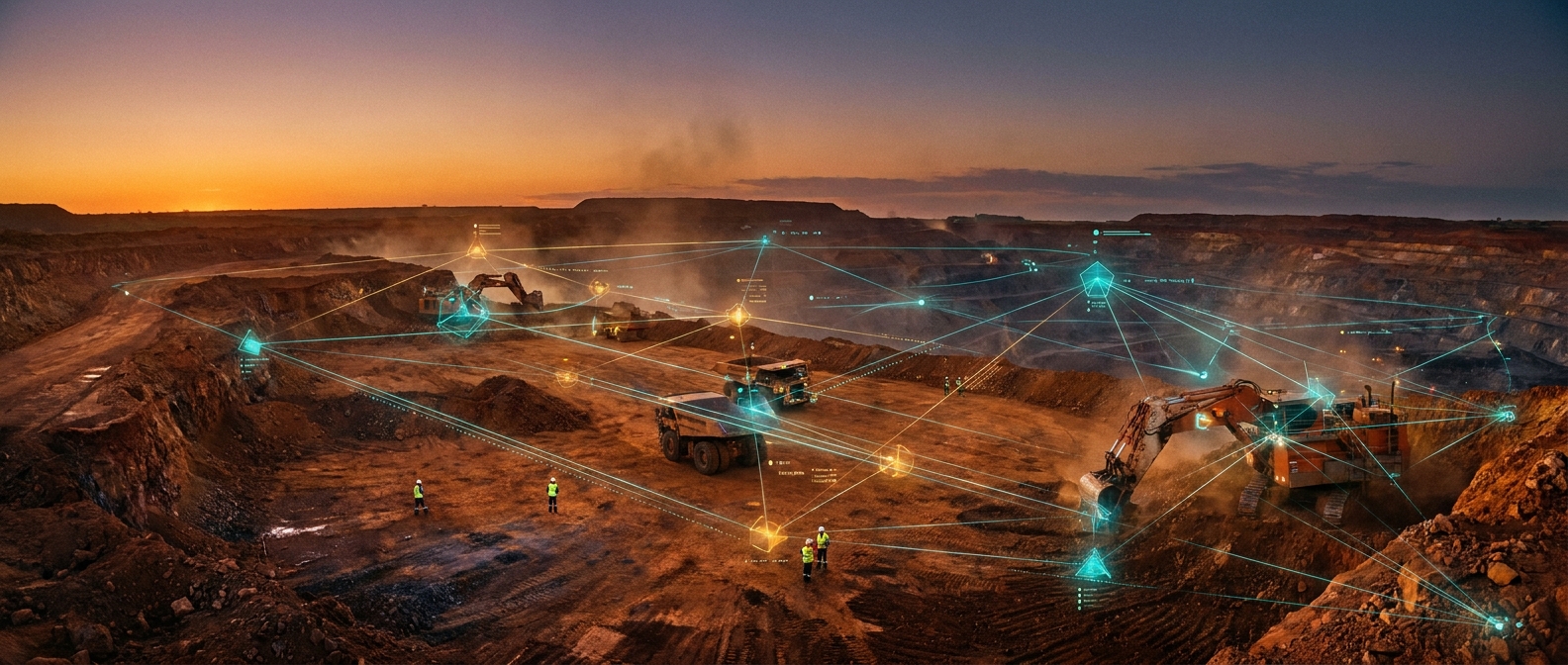
Discover how Vision AI is revolutionizing safety in South African mining and construction by automating PPE compliance and hazard detection in real-time.
The pursuit of Zero Harm has long been the gold standard for South African industrial sectors, particularly in mining and construction. Recent data from the Department of Mineral Resources and Energy (DMRE) reveals a significant shift in this trajectory. In 2024, the South African mining industry recorded a historic low of 42 fatalities, a 24 percent improvement from the 55 deaths reported in 2023. While these figures represent a milestone in occupational health and safety (OHS), the industry still faces nearly 2,000 annual injuries and persistent risks associated with fall-of-ground incidents and trackless mobile machinery (TMM). To bridge the gap between incremental improvement and total safety, South African business owners are increasingly turning to Vision AI—a branch of artificial intelligence that uses computer vision to monitor worksites in real-time.
Vision AI acts as a tireless digital sentinel, transforming standard CCTV infrastructure into an intelligent monitoring network. In the rugged environments of the Northern Cape’s iron ore mines or the deep-level shafts of the Witwatersrand, human oversight is often limited by fatigue, poor visibility, or the sheer scale of operations. Computer vision systems solve this by processing thousands of video frames per second to identify specific objects, behaviors, and anomalies. For a site manager, this means the difference between discovering a safety breach during a weekly audit and preventing an accident before it happens. By integrating these systems, companies can move from a reactive stance—investigating why an incident occurred—to a proactive one where the system alerts supervisors the moment a risk is detected.
Personal Protective Equipment (PPE) compliance is one of the most immediate and effective applications of Vision AI. Traditional compliance relies on manual spot-checks, which are statistically insufficient for 24/7 operations. Modern AI tools, such as the VISion PPE system or local innovations from companies like Mineware Consulting, can automatically verify if workers are wearing helmets, high-visibility vests, safety gloves, and harnesses. If a worker enters a high-risk zone without the required gear, the system can trigger an immediate audible alarm or send a push notification to the safety officer's mobile device. Statistics from global early adopters suggest that AI-driven PPE monitoring can sustain compliance rates as high as 99 percent, significantly reducing the 60 percent of industrial injuries that are typically linked to improper PPE usage.
Beyond simple compliance, Vision AI excels at hazard detection and the enforcement of restricted zones. In the context of South African mining, the separation of personnel and heavy machinery is a critical safety requirement under the Mine Health and Safety Act. Vision AI allows for the creation of 'virtual geofences' around dangerous equipment like crushers, conveyors, or moving TMMs. Using sophisticated algorithms, the system can distinguish between a stationary object and a human being. If a worker crosses into a prohibited 'red zone,' the AI can instantly signal the machinery to slow down or stop, preventing a potential collision. This technology is already gaining traction in major operations; for instance, Kilken Platinum has utilized AI-driven monitoring at its Thabazimbi plant to track safety protocols in real-time, while Kumba Iron Ore has experimented with AI-equipped drones for blast clearances and aerial surveys.
Another frontier for Vision AI in South Africa is the monitoring of worker fatigue and behavior. Deep-level mining and long shifts in the construction sector often lead to lapses in concentration. AI systems can now detect signs of fatigue—such as microsleeps or repetitive yawning—in vehicle operators, or identify unsafe behaviors like mobile phone usage in restricted areas. Tools such as the Syncromine Core suite are being used to analyze vast amounts of site data to identify patterns of risk that might otherwise go unnoticed. This level of granular insight allows management to implement targeted training or adjust shift patterns, addressing the root causes of accidents rather than just the symptoms.
Implementing these advanced solutions in South Africa requires a nuanced understanding of the local regulatory and operational landscape. The Protection of Personal Information Act (POPIA) is a central consideration for any business owner deploying surveillance technology. To remain compliant, companies must ensure that their AI monitoring is transparent, purposeful, and respects the privacy rights of employees. This involves conducting Privacy Impact Assessments and ensuring that data is processed securely and only for the legitimate interest of workplace safety. Furthermore, the South African context presents unique technical challenges, such as the need for edge computing to handle data processing in remote areas with limited connectivity or during periods of load shedding. Modern Vision AI solutions are increasingly designed to run on the 'edge'—meaning the AI processing happens on the camera or a local server rather than in the cloud—ensuring the system remains functional even when the internet is down.
As the industry evolves, the role of custom software development becomes paramount. While off-the-shelf products exist, the unique topographical and operational demands of South African sites often require tailored solutions. This is where specialized expertise is invaluable. WriteNow Agency works with businesses to develop and integrate these custom AI solutions, ensuring they fit seamlessly into existing OHS frameworks and meet specific site requirements. By leveraging local development talent, South African entrepreneurs can build robust safety ecosystems that are not only effective but also sustainable and compliant with local laws.
The transition to an AI-powered safety culture is no longer a futuristic concept; it is a current competitive necessity. Beyond the primary goal of saving lives, Vision AI offers a clear return on investment by reducing operational downtime caused by accidents, lowering insurance premiums, and automating the documentation required for OHS audits. As South Africa continues to lead the continent in mining and infrastructure, the adoption of Vision AI will be the defining factor in reaching the ultimate goal of Zero Harm, ensuring that every worker returns home safely at the end of every shift.
Vision AI acts as a tireless digital sentinel, transforming standard CCTV infrastructure into an intelligent monitoring network. In the rugged environments of the Northern Cape’s iron ore mines or the deep-level shafts of the Witwatersrand, human oversight is often limited by fatigue, poor visibility, or the sheer scale of operations. Computer vision systems solve this by processing thousands of video frames per second to identify specific objects, behaviors, and anomalies. For a site manager, this means the difference between discovering a safety breach during a weekly audit and preventing an accident before it happens. By integrating these systems, companies can move from a reactive stance—investigating why an incident occurred—to a proactive one where the system alerts supervisors the moment a risk is detected.
Personal Protective Equipment (PPE) compliance is one of the most immediate and effective applications of Vision AI. Traditional compliance relies on manual spot-checks, which are statistically insufficient for 24/7 operations. Modern AI tools, such as the VISion PPE system or local innovations from companies like Mineware Consulting, can automatically verify if workers are wearing helmets, high-visibility vests, safety gloves, and harnesses. If a worker enters a high-risk zone without the required gear, the system can trigger an immediate audible alarm or send a push notification to the safety officer's mobile device. Statistics from global early adopters suggest that AI-driven PPE monitoring can sustain compliance rates as high as 99 percent, significantly reducing the 60 percent of industrial injuries that are typically linked to improper PPE usage.
Beyond simple compliance, Vision AI excels at hazard detection and the enforcement of restricted zones. In the context of South African mining, the separation of personnel and heavy machinery is a critical safety requirement under the Mine Health and Safety Act. Vision AI allows for the creation of 'virtual geofences' around dangerous equipment like crushers, conveyors, or moving TMMs. Using sophisticated algorithms, the system can distinguish between a stationary object and a human being. If a worker crosses into a prohibited 'red zone,' the AI can instantly signal the machinery to slow down or stop, preventing a potential collision. This technology is already gaining traction in major operations; for instance, Kilken Platinum has utilized AI-driven monitoring at its Thabazimbi plant to track safety protocols in real-time, while Kumba Iron Ore has experimented with AI-equipped drones for blast clearances and aerial surveys.
Another frontier for Vision AI in South Africa is the monitoring of worker fatigue and behavior. Deep-level mining and long shifts in the construction sector often lead to lapses in concentration. AI systems can now detect signs of fatigue—such as microsleeps or repetitive yawning—in vehicle operators, or identify unsafe behaviors like mobile phone usage in restricted areas. Tools such as the Syncromine Core suite are being used to analyze vast amounts of site data to identify patterns of risk that might otherwise go unnoticed. This level of granular insight allows management to implement targeted training or adjust shift patterns, addressing the root causes of accidents rather than just the symptoms.
Implementing these advanced solutions in South Africa requires a nuanced understanding of the local regulatory and operational landscape. The Protection of Personal Information Act (POPIA) is a central consideration for any business owner deploying surveillance technology. To remain compliant, companies must ensure that their AI monitoring is transparent, purposeful, and respects the privacy rights of employees. This involves conducting Privacy Impact Assessments and ensuring that data is processed securely and only for the legitimate interest of workplace safety. Furthermore, the South African context presents unique technical challenges, such as the need for edge computing to handle data processing in remote areas with limited connectivity or during periods of load shedding. Modern Vision AI solutions are increasingly designed to run on the 'edge'—meaning the AI processing happens on the camera or a local server rather than in the cloud—ensuring the system remains functional even when the internet is down.
As the industry evolves, the role of custom software development becomes paramount. While off-the-shelf products exist, the unique topographical and operational demands of South African sites often require tailored solutions. This is where specialized expertise is invaluable. WriteNow Agency works with businesses to develop and integrate these custom AI solutions, ensuring they fit seamlessly into existing OHS frameworks and meet specific site requirements. By leveraging local development talent, South African entrepreneurs can build robust safety ecosystems that are not only effective but also sustainable and compliant with local laws.
The transition to an AI-powered safety culture is no longer a futuristic concept; it is a current competitive necessity. Beyond the primary goal of saving lives, Vision AI offers a clear return on investment by reducing operational downtime caused by accidents, lowering insurance premiums, and automating the documentation required for OHS audits. As South Africa continues to lead the continent in mining and infrastructure, the adoption of Vision AI will be the defining factor in reaching the ultimate goal of Zero Harm, ensuring that every worker returns home safely at the end of every shift.

Comments (0)
Leave a Comment