

WhatsApp Agentic AI: Automating Vernacular Support in South Africa
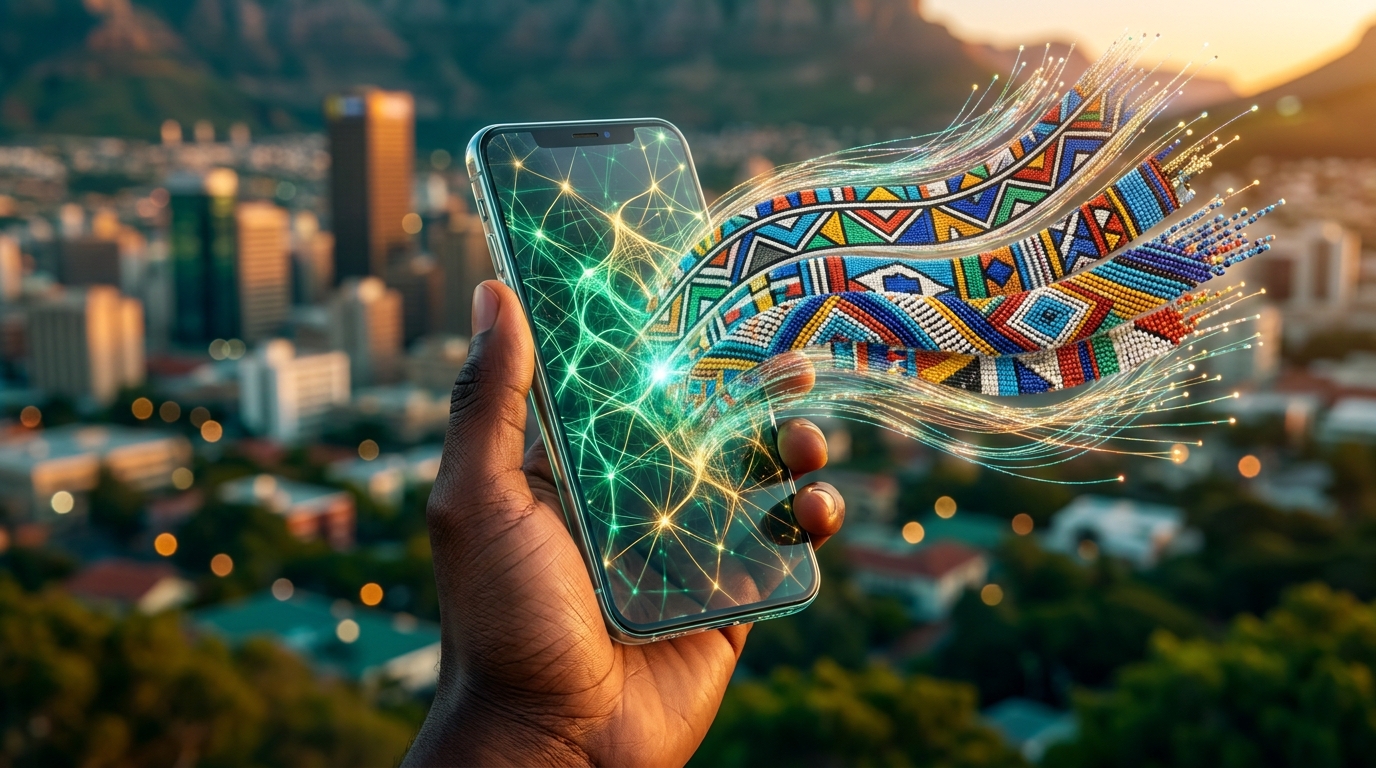
Discover how South African businesses are leveraging WhatsApp-based Agentic AI and vernacular language models to automate customer service in Zulu, Xhosa, and Afrikaans.
In the South African retail and service landscape, the digital storefront is no longer just a website or a mobile app; it is the WhatsApp chat window. According to the Digital 2024 South Africa report, nearly 94 percent of internet users in the country aged 16 to 64 use WhatsApp, making it the most dominant communication platform in the region. For business owners, this presents a massive opportunity, yet a significant barrier remains: language. While English is the language of business, it is the first language of less than 10 percent of the population. To truly serve the South African market, businesses must provide support in vernacular languages like isiZulu, isiXhosa, and Afrikaans. The emergence of Agentic AI is now making this level of localized, automated service possible at scale.
Agentic AI represents a shift from traditional, rule-based chatbots to autonomous agents capable of reasoning, using tools, and making decisions. Unlike the frustrating 'press 1 for sales' menus of the past, an agentic system uses Large Language Models like GPT-4, Claude 3, or Llama 3 to understand intent and context. When integrated with the WhatsApp Business Platform, these agents can handle complex workflows such as processing a refund, checking local inventory, or rescheduling a service appointment without human intervention. The 'agentic' part refers to the AI's ability to use 'tools'—connecting to a business’s Sage accounting software, a Shopify store, or a custom CRM to perform actions rather than just providing text responses.
Architecting these systems for the South African context requires a focus on vernacular language processing. Traditional AI models often struggle with South African languages, which are considered 'low-resource' in the global AI ecosystem. However, local innovation is closing this gap. South African AI research lab Lelapa AI has developed Vulavula, a specialized natural language processing tool designed specifically for South African languages. By integrating such specialized APIs into an AI agent's architecture, a retail business can allow a customer to inquire about a delivery in isiZulu, have the AI reason through the request, fetch the tracking data from a logistics partner like CourierIt, and respond naturally in the same language. This reduces friction and builds immense brand trust with a broader demographic.
The technical architecture of a vernacular WhatsApp agent typically involves four layers. The first is the Interface Layer, utilizing the WhatsApp Business API. The second is the Orchestration Layer, often built using frameworks like LangChain or CrewAI, which manages the 'thought process' of the AI. The third is the Knowledge Layer, which uses Retrieval-Augmented Generation to allow the AI to access specific business documents, pricing sheets, and FAQs stored in a vector database like Pinecone or Weaviate. Finally, the Integration Layer connects the AI to the actual business operations. This structure ensures that the AI doesn't just 'hallucinate' answers but provides factual information based on real-time business data.
For retail businesses, the impact of this technology is measurable. Consider a regional grocery chain implementing an agentic system. A customer can send a voice note in Sesotho asking if a specific item is in stock at the Bloemfontein branch. The AI agent converts the speech to text, identifies the intent, queries the branch's inventory system, and replies with the current stock level and a 'click-to-pay' link. This level of automation handles high-volume, repetitive queries that usually bog down human support teams, allowing staff to focus on high-value escalations. Statistics from global implementations suggest that AI agents can resolve up to 80 percent of routine inquiries, and in a multi-lingual society like South Africa, the resolution rate for vernacular speakers could see an even higher relative jump due to improved accessibility.
Service-based businesses, such as plumbing franchises or medical practices, benefit similarly through automated scheduling. By integrating the WhatsApp agent with tools like Calendly or Microsoft Bookings, the AI can manage a professional’s calendar. A client can negotiate a booking time in Afrikaans, and the AI will cross-reference the staff's availability and confirm the appointment. This removes the administrative overhead of back-and-forth calling and ensures the business is 'open' 24/7, regardless of the language the customer speaks.
However, moving toward Agentic AI requires a strict adherence to the Protection of Personal Information Act (POPIA). South African businesses must ensure that their AI architecture includes data masking and secure handling of personally identifiable information. When building these systems, developers must implement guardrails to ensure the AI does not disclose sensitive data or make unauthorized commitments. This is where professional guidance becomes essential. While the tools to build these agents are becoming more accessible, the orchestration of a secure, reliable, and linguistically accurate system requires deep technical expertise. WriteNow Agency specializes in building these types of sophisticated, automated solutions, helping South African businesses bridge the gap between complex AI technology and practical, localized customer experiences.
As we look toward the future of South African commerce, the businesses that thrive will be those that speak the language of their customers—literally and figuratively. By architecting WhatsApp-based Agentic AI that understands the nuances of our local languages and integrates deeply with business operations, entrepreneurs can provide a level of service that was previously reserved for global enterprises with massive support budgets. The technology is no longer a futuristic concept; it is a current reality that is redefining how South Africans interact with the brands they trust.
Agentic AI represents a shift from traditional, rule-based chatbots to autonomous agents capable of reasoning, using tools, and making decisions. Unlike the frustrating 'press 1 for sales' menus of the past, an agentic system uses Large Language Models like GPT-4, Claude 3, or Llama 3 to understand intent and context. When integrated with the WhatsApp Business Platform, these agents can handle complex workflows such as processing a refund, checking local inventory, or rescheduling a service appointment without human intervention. The 'agentic' part refers to the AI's ability to use 'tools'—connecting to a business’s Sage accounting software, a Shopify store, or a custom CRM to perform actions rather than just providing text responses.
Architecting these systems for the South African context requires a focus on vernacular language processing. Traditional AI models often struggle with South African languages, which are considered 'low-resource' in the global AI ecosystem. However, local innovation is closing this gap. South African AI research lab Lelapa AI has developed Vulavula, a specialized natural language processing tool designed specifically for South African languages. By integrating such specialized APIs into an AI agent's architecture, a retail business can allow a customer to inquire about a delivery in isiZulu, have the AI reason through the request, fetch the tracking data from a logistics partner like CourierIt, and respond naturally in the same language. This reduces friction and builds immense brand trust with a broader demographic.
The technical architecture of a vernacular WhatsApp agent typically involves four layers. The first is the Interface Layer, utilizing the WhatsApp Business API. The second is the Orchestration Layer, often built using frameworks like LangChain or CrewAI, which manages the 'thought process' of the AI. The third is the Knowledge Layer, which uses Retrieval-Augmented Generation to allow the AI to access specific business documents, pricing sheets, and FAQs stored in a vector database like Pinecone or Weaviate. Finally, the Integration Layer connects the AI to the actual business operations. This structure ensures that the AI doesn't just 'hallucinate' answers but provides factual information based on real-time business data.
For retail businesses, the impact of this technology is measurable. Consider a regional grocery chain implementing an agentic system. A customer can send a voice note in Sesotho asking if a specific item is in stock at the Bloemfontein branch. The AI agent converts the speech to text, identifies the intent, queries the branch's inventory system, and replies with the current stock level and a 'click-to-pay' link. This level of automation handles high-volume, repetitive queries that usually bog down human support teams, allowing staff to focus on high-value escalations. Statistics from global implementations suggest that AI agents can resolve up to 80 percent of routine inquiries, and in a multi-lingual society like South Africa, the resolution rate for vernacular speakers could see an even higher relative jump due to improved accessibility.
Service-based businesses, such as plumbing franchises or medical practices, benefit similarly through automated scheduling. By integrating the WhatsApp agent with tools like Calendly or Microsoft Bookings, the AI can manage a professional’s calendar. A client can negotiate a booking time in Afrikaans, and the AI will cross-reference the staff's availability and confirm the appointment. This removes the administrative overhead of back-and-forth calling and ensures the business is 'open' 24/7, regardless of the language the customer speaks.
However, moving toward Agentic AI requires a strict adherence to the Protection of Personal Information Act (POPIA). South African businesses must ensure that their AI architecture includes data masking and secure handling of personally identifiable information. When building these systems, developers must implement guardrails to ensure the AI does not disclose sensitive data or make unauthorized commitments. This is where professional guidance becomes essential. While the tools to build these agents are becoming more accessible, the orchestration of a secure, reliable, and linguistically accurate system requires deep technical expertise. WriteNow Agency specializes in building these types of sophisticated, automated solutions, helping South African businesses bridge the gap between complex AI technology and practical, localized customer experiences.
As we look toward the future of South African commerce, the businesses that thrive will be those that speak the language of their customers—literally and figuratively. By architecting WhatsApp-based Agentic AI that understands the nuances of our local languages and integrates deeply with business operations, entrepreneurs can provide a level of service that was previously reserved for global enterprises with massive support budgets. The technology is no longer a futuristic concept; it is a current reality that is redefining how South Africans interact with the brands they trust.
Comments (0)
Leave a Comment