

Automating FICA: Biometric Identity via Home Affairs API
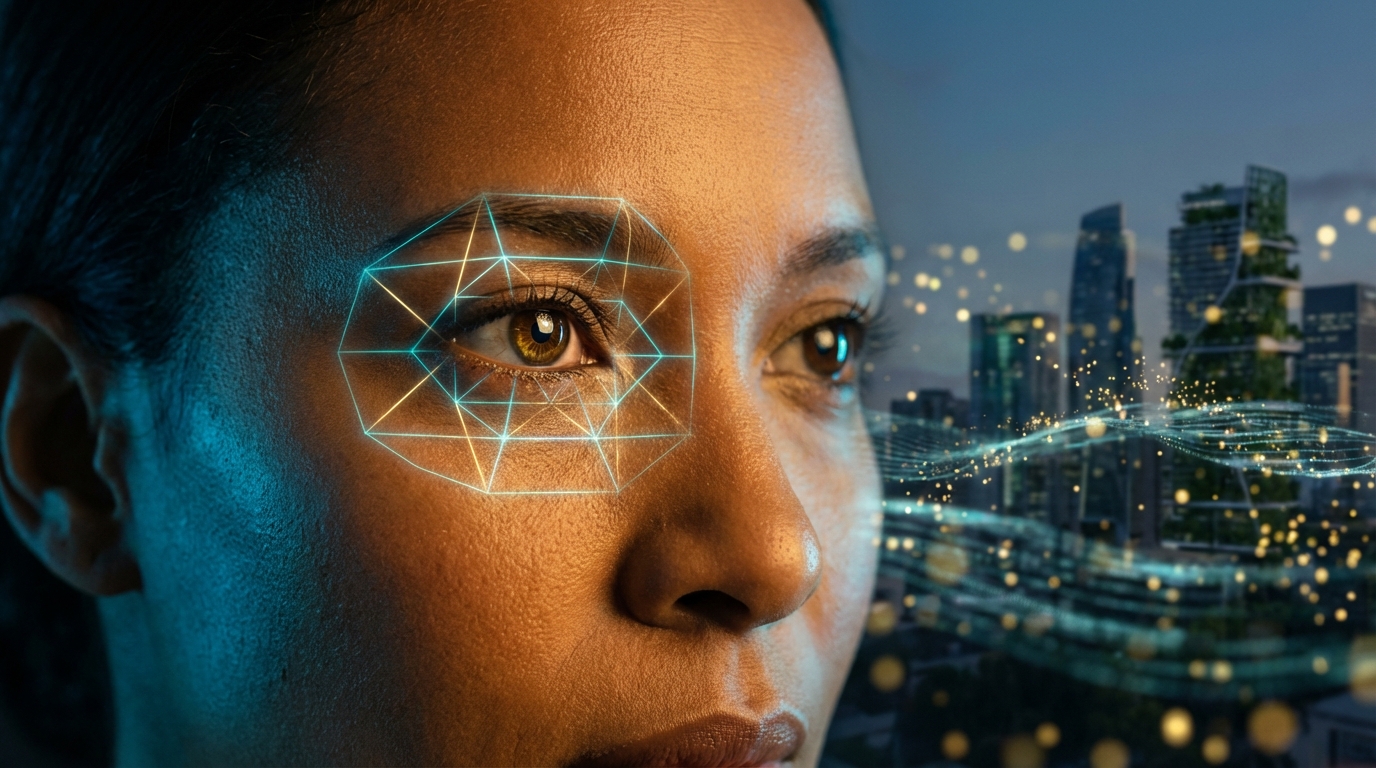
A comprehensive guide for South African entrepreneurs on automating FICA compliance using the Department of Home Affairs Real-Time API and advanced biometric verification workflows to eliminate manual friction and fraud.
In the rapidly evolving landscape of South African fintech and digital services, the traditional methods of fulfilling the Financial Intelligence Centre Act (FICA) requirements have become a significant bottleneck for growth. For years, South African business owners and entrepreneurs have grappled with the friction of manual identity verification. Customers were often required to physically present identity documents and proof of residence, or at best, upload static photos that required manual review by compliance officers. This process is not only slow and prone to human error but also creates a significant drop-off point in the customer acquisition funnel. Statistics from the South African Banking Risk Information Centre (SABRIC) suggest that identity-related fraud remains a critical threat, making the need for robust, automated, and real-time verification more urgent than ever.
The shift toward digital-first onboarding has been accelerated by the modernization of the South African Department of Home Affairs (DHA) infrastructure. The transition from the legacy Home Affairs National Identification System (HANIS) to the more advanced Automated Biometric Identification System (ABIS) has opened new doors for private sector integration. By leveraging the DHA Real-Time API, businesses can now verify a citizen's identity against the ultimate 'golden source' of truth in the country. This API allows for the instantaneous matching of a person's identity number and biometric data against the national population register, providing a level of certainty that was previously unattainable for most small to medium-sized enterprises.
Building a secure biometric identity verification workflow begins with the integration of 'liveness detection.' This is a critical first step in preventing 'spoofing' or presentation attacks, where a fraudster might attempt to use a high-resolution photo or a video of another person to bypass security. Modern solutions, such as those provided by South African tech leaders like iiDENTIFii and ThisIsMe, utilize 3D facial mapping technology. When a user performs a 'selfie' during the onboarding process, the software analyzes thousands of data points to ensure the person is physically present and is a live human being. This biometric template is then encrypted and sent to the DHA API for a one-to-one match against the photo stored in the national database.
The technical architecture of such a workflow is sophisticated. When a customer initiates the process, the application captures their ID number and a biometric scan. This data is transmitted through a secure gateway to the DHA's ABIS platform. The system returns a confidence score or a simple binary match result. If the facial features captured in the live scan align with the records held by the DHA, the identity is verified in seconds. This eliminates the need for manual document checks and significantly reduces the risk of identity theft. According to recent industry reports, automated biometric onboarding can reduce the time spent on FICA compliance from days to under sixty seconds, drastically improving the user experience and conversion rates.
However, implementing these workflows requires a deep understanding of the South African regulatory environment, specifically the Protection of Personal Information Act (POPIA). Because biometric data is classified as 'special personal information' under POPIA, businesses must ensure that their data handling practices are exemplary. This includes ensuring that biometric data is never stored longer than necessary and is encrypted both in transit and at rest. Furthermore, the Financial Intelligence Centre (FIC) has updated its regulatory framework, notably through Guidance Note 7, which provides more flexibility for digital and non-face-to-face identification, provided the technology used is proven to be secure and reliable.
For entrepreneurs, the benefits of automating FICA extend beyond mere compliance. It is a strategic tool for scaling. In a market where digital trust is the primary currency, being able to onboard a customer at 2:00 AM on a Saturday without human intervention provides a massive competitive advantage. Furthermore, the cost-to-verify has decreased as API access becomes more democratized through third-party aggregators and specialized identity service providers. Companies like Smile ID and Karri have successfully integrated these workflows to serve diverse markets, from high-end financial services to school payment platforms, proving that biometric verification is no longer reserved for the 'Big Four' banks.
One of the primary challenges in building these integrations is managing the service level agreements (SLAs) of government systems. The DHA API, while revolutionary, can occasionally experience downtime or latency. A well-designed workflow must include fallback mechanisms and intelligent retry logic to ensure that the customer journey isn't interrupted by temporary backend issues. This is where the expertise of a technical partner becomes invaluable. For organizations looking to navigate these complexities and build custom, secure, and DHA-linked onboarding pipelines, WriteNow Agency serves as a resource for architecting the necessary infrastructure to bridge the gap between regulatory requirements and seamless digital experiences.
As we look toward the future, the integration of the DHA API and biometric workflows will likely become the standard for any South African business that handles sensitive transactions. The move toward a 'Digital ID' ecosystem is gaining momentum, and those who adopt these technologies early will be better positioned to handle the demands of a digitally-native consumer base. By removing the friction of FICA and replacing it with a secure, real-time biometric handshake, businesses can focus on what they do best: delivering value to their customers while maintaining the highest standards of integrity and security in the South African marketplace.
The shift toward digital-first onboarding has been accelerated by the modernization of the South African Department of Home Affairs (DHA) infrastructure. The transition from the legacy Home Affairs National Identification System (HANIS) to the more advanced Automated Biometric Identification System (ABIS) has opened new doors for private sector integration. By leveraging the DHA Real-Time API, businesses can now verify a citizen's identity against the ultimate 'golden source' of truth in the country. This API allows for the instantaneous matching of a person's identity number and biometric data against the national population register, providing a level of certainty that was previously unattainable for most small to medium-sized enterprises.
Building a secure biometric identity verification workflow begins with the integration of 'liveness detection.' This is a critical first step in preventing 'spoofing' or presentation attacks, where a fraudster might attempt to use a high-resolution photo or a video of another person to bypass security. Modern solutions, such as those provided by South African tech leaders like iiDENTIFii and ThisIsMe, utilize 3D facial mapping technology. When a user performs a 'selfie' during the onboarding process, the software analyzes thousands of data points to ensure the person is physically present and is a live human being. This biometric template is then encrypted and sent to the DHA API for a one-to-one match against the photo stored in the national database.
The technical architecture of such a workflow is sophisticated. When a customer initiates the process, the application captures their ID number and a biometric scan. This data is transmitted through a secure gateway to the DHA's ABIS platform. The system returns a confidence score or a simple binary match result. If the facial features captured in the live scan align with the records held by the DHA, the identity is verified in seconds. This eliminates the need for manual document checks and significantly reduces the risk of identity theft. According to recent industry reports, automated biometric onboarding can reduce the time spent on FICA compliance from days to under sixty seconds, drastically improving the user experience and conversion rates.
However, implementing these workflows requires a deep understanding of the South African regulatory environment, specifically the Protection of Personal Information Act (POPIA). Because biometric data is classified as 'special personal information' under POPIA, businesses must ensure that their data handling practices are exemplary. This includes ensuring that biometric data is never stored longer than necessary and is encrypted both in transit and at rest. Furthermore, the Financial Intelligence Centre (FIC) has updated its regulatory framework, notably through Guidance Note 7, which provides more flexibility for digital and non-face-to-face identification, provided the technology used is proven to be secure and reliable.
For entrepreneurs, the benefits of automating FICA extend beyond mere compliance. It is a strategic tool for scaling. In a market where digital trust is the primary currency, being able to onboard a customer at 2:00 AM on a Saturday without human intervention provides a massive competitive advantage. Furthermore, the cost-to-verify has decreased as API access becomes more democratized through third-party aggregators and specialized identity service providers. Companies like Smile ID and Karri have successfully integrated these workflows to serve diverse markets, from high-end financial services to school payment platforms, proving that biometric verification is no longer reserved for the 'Big Four' banks.
One of the primary challenges in building these integrations is managing the service level agreements (SLAs) of government systems. The DHA API, while revolutionary, can occasionally experience downtime or latency. A well-designed workflow must include fallback mechanisms and intelligent retry logic to ensure that the customer journey isn't interrupted by temporary backend issues. This is where the expertise of a technical partner becomes invaluable. For organizations looking to navigate these complexities and build custom, secure, and DHA-linked onboarding pipelines, WriteNow Agency serves as a resource for architecting the necessary infrastructure to bridge the gap between regulatory requirements and seamless digital experiences.
As we look toward the future, the integration of the DHA API and biometric workflows will likely become the standard for any South African business that handles sensitive transactions. The move toward a 'Digital ID' ecosystem is gaining momentum, and those who adopt these technologies early will be better positioned to handle the demands of a digitally-native consumer base. By removing the friction of FICA and replacing it with a secure, real-time biometric handshake, businesses can focus on what they do best: delivering value to their customers while maintaining the highest standards of integrity and security in the South African marketplace.

Comments (0)
Leave a Comment